Our Mission : Vegan & Animal welfare Advocacy

Empowering children to engage themselves on environmental conservation efforts puts our environment and animals within it in a safe place. EAPAT has been able to reach 3 schools with total of 1500 students and formation of environmental conservation clubs in schools. Students were informed on the need of protecting environment and animals, and this was the recorded environmental conservation messa...


Chickens and pigs are kept in prison without committing a criminal offence. The efforts of EAPAT and #VERITAS targets to carrying out the research which lead to advocacy and campaigns on freeing pigs and chicken held in stalls
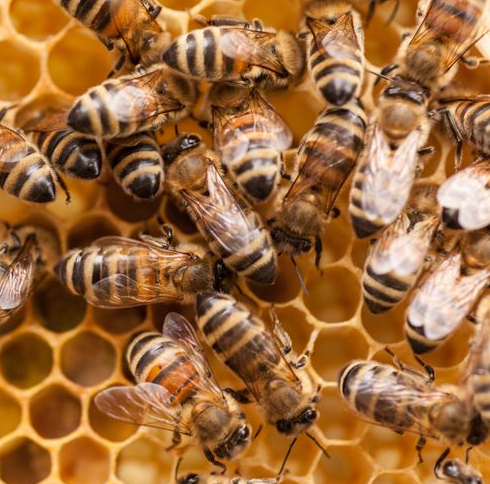
Managed honey bee populations worldwide are facing significant welfare challenges, many of which are compounded by climate change, agricultural practices, and disease pressures. The statistics from Rethink Priorities show that between November 2022 and February 2023, colon bee losses ranged from 20% to 88.9% across 12 operations, with a mean loss of 48.1%.A major existing gap in solving bee welfar...
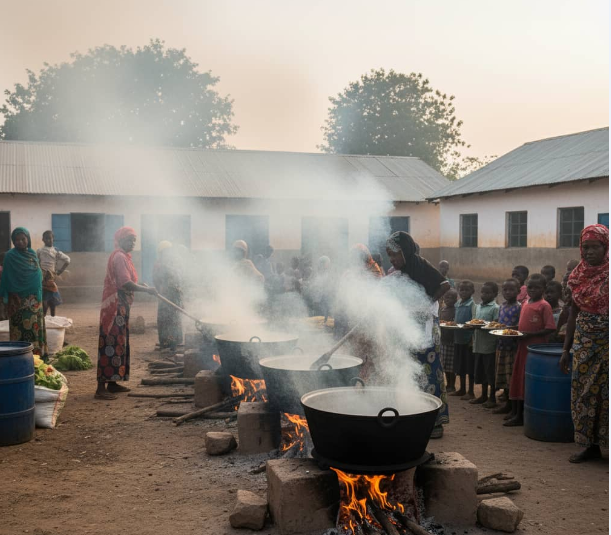
In developing countries, due to reliance on open fires and solid fuels like wood, and charcoal, traditional stove users are facing negative health, environmental and socio-economic impacts on a daily basis. Tanzania has an official National Clean Cooking Strategy (2024–2034) aiming for about 80% clean cooking access by 2034, and multiple options are already being promoted. Tanzanians using clean c...
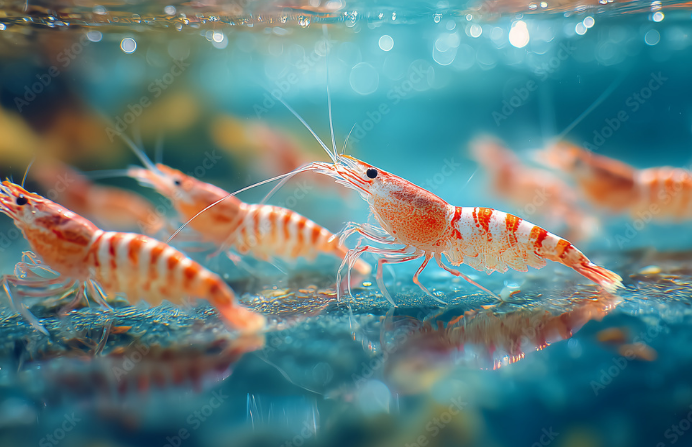
It is estimated that about 440 billion farmed shrimp are slaughtered for human consumption annually (Faunalytics), and about 50 percent of shrimp world wide experience pre-slaughter mortality. These statistics demand an urgent need to take a closer look at compromised shrimp welfare since less attention is given to the shrimp welfare. In Tanzania, it is estimated that more than 75,000 hectares are...

